AI Tax Enforcement 2026

AI & The Modern Tax Agent
Why Your Return is Being Audited by an Algorithm

In 2026, the IRS isn't just looking at your tax return, it's "reading" it with neural networks and machine learning. With $80 billion invested in AI-driven enforcement, the question isn't if the algorithm will check your data, but whether your tax agent is using the same technology to protect you.

Tax enforcement and algorithms
Published: April 16, 2026 | 14 min read

The Rise of the "Digital Auditor"

Gone are the days when a tax audit meant a human agent sitting at a desk with a highlighter. Today, the IRS uses neural networks and machine learning to cross-reference your lifestyle with your filings. The agency is processing returns at machine speed, spotting inconsistencies in microseconds.

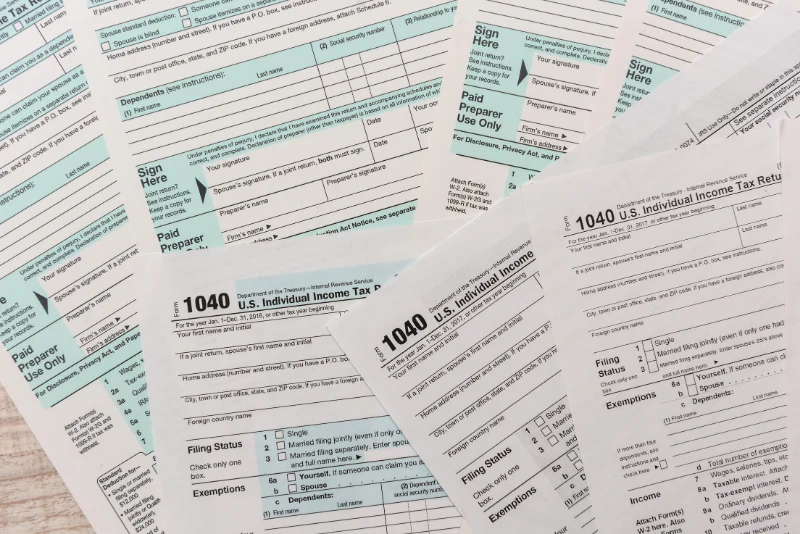
IRS AI audit algorithm dashboard showing financial data patterns and analysis

For tax filers, this means the "Data Matching" era has reached its peak. If you hold a foreign bank account, the IRS receives a digital report from that bank (via FATCA). If your tax return doesn't perfectly mirror that data, an automated "Notice of Deficiency" is generated before a human ever sees your file. This isn't future technology anymore. This is 2026.

The scale is staggering. The IRS has deployed machine learning models that analyse millions of returns simultaneously, flagging anomalies in real time. These algorithms don't get tired, don't take lunch breaks, and don't have empathy for good intentions. They have one job: find deviations from the norm and flag them for human review (or, increasingly, for automated enforcement action without human intervention).

Financial analysis charts reviewed by IRS AI audit systems in 2026

Why Your Tax Agent's Tech Stack Matters More Than Their Office Address

In this high-tech landscape, a traditional accountant with a spreadsheet is a liability, not an asset. Here's what a "Modern Tax Agent" must provide in 2026:

1. Authorized E-File Status & Precision

Top-tier firms maintain a 99.8% E-File accuracy rate. This isn't just a vanity metric. It means their software is digitally synced with the IRS's latest schema, catching "logic errors" that trigger audits before the "Submit" button is ever pressed. When your return hits the IRS servers, it passes validation instantly. When it doesn't, you've already been flagged by the algorithm before you even receive a confirmation number.

A modern tax agent uses software that performs real-time validation against IRS requirements. If you have foreign accounts, the software cross-references FBAR thresholds automatically. If you claim FEIE, it validates your physical presence dates against the formula. If you have capital gains, it ensures the cost-basis matches the sale price to the penny. These checks happen before submission, not after an audit.

2. Secure Client Portals, Not Email

If your tax agent asks you to email a PDF of your bank statement, run. Email is the #1 vector for identity theft in 2026. Modern firms use encrypted portals (like those used by leading international tax firms) to ensure that the data fed into the algorithm is secure and untampered.

Why does this matter? Because the IRS algorithm can detect tampering. If your email was intercepted and your bank statement was modified, the algorithm will catch the discrepancy when it cross-references your bank's FATCA report. A secure portal creates an immutable chain of custody for your data.

3. The "Human-in-the-Loop" Advisory

While AI is great at spotting errors, it is terrible at understanding context. An algorithm might flag a large transfer as "Income," whereas a skilled agent knows it's a "Tax-Free Remittance" under a specific treaty provision. The modern agent uses AI to handle the math, but uses their expertise to handle the strategy. They ask questions like: "Why is this number here?" and "Does this pass the smell test?" before submitting to the IRS.

The Danger of "DIY" AI

It's tempting to use a public AI tool to "check" your taxes before filing. Many filers now ask ChatGPT or other language models to validate their return. Here's the warning: Public AI models often "hallucinate" tax laws or use outdated 2023 regulations. They don't have access to the current IRS schema, and they certainly don't understand your specific situation.

In 2026, the Tax Practitioners Board has made it clear: You are responsible for errors made by AI if you use it for filing. If a public AI model gives you incorrect tax advice and you act on it, you can't blame the AI. The IRS will blame you. The algorithm doesn't care what ChatGPT said. It will assess penalties and interest for the error, plus audit costs.

More critically, public AI models are trained on data up to a specific cutoff date. Tax law changes constantly. The FEIE limit changes annually. Treaty interpretations shift. A public AI tool using 2023 rules will give you 2023 advice in a 2026 filing. The algorithm will catch it instantly.

The Real Cost of Being Invisible to the Audit Algorithm

The IRS audit algorithm doesn't care about effort or good intentions. It cares about one thing: consistency between your return and external data sources. If your return is consistent, you're invisible. If it's inconsistent, you're flagged.

A modern tax agent uses AI to ensure your return is not just correct, but also optimised to pass the algorithm's checks. They structure your filings so that every number has a clear, documentable source. They use the same data-validation tools the IRS uses. They think like the algorithm so you don't have to.

The cost of being flagged is real. An audit in 2026 means months of stress, document gathering, and potential penalties. An audit for international taxes is even worse—added complexity, treaty questions, and possible involvement of local tax authorities. Staying invisible to the algorithm isn't just about compliance. It's about peace of mind.

Tax consultation

Expert Guidance

When to Consult a Specialist

  • High-Risk IRS Flags: Multiple income sources, foreign accounts, or inconsistent deductions trigger algorithm audits.
  • International Business: Cross-border operations, foreign tax credits, treaty claims require specialist validation.
  • FATCA & FBAR Compliance: Foreign accounts over USD 10,000 aggregate demand algorithmic accuracy to avoid penalties.
  • Prior Audit History: If the algorithm has flagged you before, strategy becomes critical to avoid escalation.
  • AI-Ready Tax Strategy: Modern agents use the same tools as the algorithm to ensure your return is validated before submission.

FAQ: Modern Tax Agents & Algorithmic Auditing 2026

Q: How do IRS algorithms detect errors in tax returns? A: The IRS uses machine learning to cross-reference your tax return against third-party data (bank reports, investment statements, employer records). If your reported income doesn't match external sources, the algorithm flags you immediately.

Q: What is "E-File Accuracy" and why does it matter? A: E-File accuracy (99.8% for top firms) means the return passes IRS validation on first submission. Poor accuracy means rejected e-files, resubmissions, and algorithmic red flags before the return is ever accepted.

Q: Can I use public AI tools like ChatGPT for tax preparation? A: You can use AI to research, but you are legally responsible for errors. Public AI models use outdated information, hallucinate tax law, and don't validate against current IRS schema. If ChatGPT gives you wrong advice and you file it, the IRS holds you accountable, not the AI.

Q: What is FATCA and why does the IRS algorithm care? A: FATCA requires foreign banks to report account holder information to the IRS electronically. The IRS algorithm automatically compares your reported foreign accounts to bank-submitted FATCA data. If they don't match, an audit is generated instantly.

Q: Should I email my tax documents to my accountant? A: No. Email is the #1 vector for identity theft and tax fraud. Modern tax agents use encrypted portals. If your documents are intercepted and modified, the algorithm will detect the tampering when it cross-references bank reports.

Q: What's the difference between an "old-school" accountant and a "modern" agent? A: Old-school accountants use spreadsheets. Modern agents use IRS-validated software that performs real-time checks before submission. Modern agents think like the algorithm so your return passes validation automatically.

Q: Can I appeal if the algorithm flags me for audit? A: Yes, but appeals are handled differently now. The IRS gives you 30 days to respond with documentation. Modern agents prepare appeals using the same algorithmic logic the IRS uses, increasing approval likelihood significantly.

Q: How much does an audit cost in 2026? A: Direct IRS audit costs are zero, but indirect costs are high: time, stress, accountant fees for responses (often 2000-5000 USD), and potential penalties if errors are found. Prevention is far cheaper than remediation.

Key Topics for Algorithmic Tax Compliance

Understanding Data Matching

How the IRS algorithm compares your return to third-party data sources and what triggers audits.

FATCA & FBAR Compliance

Foreign account reporting requirements and how algorithmic validation prevents penalties.

FEIE Strategy & Validation

How modern agents validate FEIE claims before submission to avoid algorithmic flags.

Tax Treaty Benefits

How treaty claims work and why they require specialist validation to pass IRS review.

Digital Nomads & Remote Workers

Remote work tax implications and staying algorithmatically compliant as a nomad.

Modern Agent Tech Stack

What tools your agent should use to ensure your return is algorithmically validated before filing.

Stop Guessing. Start Winning Against the Algorithm

The IRS isn't hiring more auditors. It's deploying smarter algorithms. Book a free consultation with a modern tax agent who uses the same AI-driven validation tools the IRS uses to protect you.