Expat Tax Planning 2026

US Expat Taxes
A Complete Guide for Americans Abroad

Tax rules, compliance requirements, and strategies for managing US tax obligations while living abroad. This guide covers everything American expats, digital nomads, and retirees need to know about staying tax-compliant internationally.

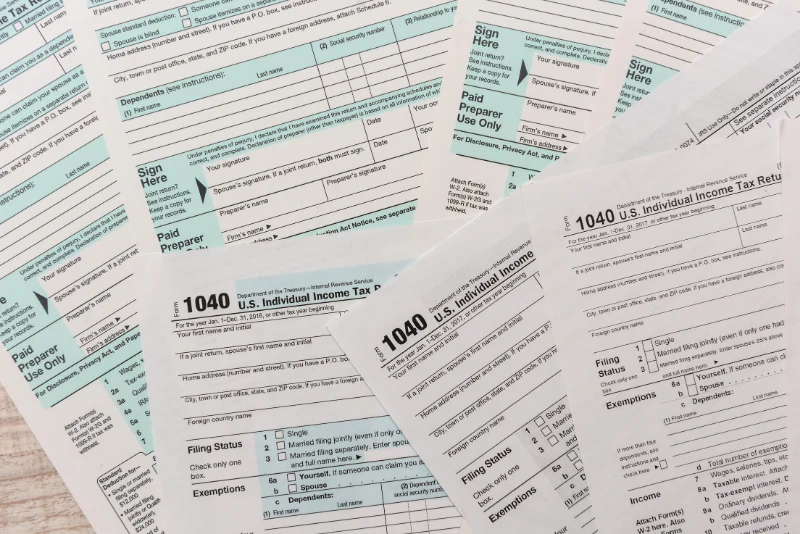
Tax documents and forms
📅 Last Updated: April 14, 2026 | ⏱️ 12 min read

Who This Guide Is For

If you're a remote worker, employee, retiree, or business owner in Thailand, this guide is for you. Digital nomads on DTV visas, expats in Bangkok, retirees, business owners with Thai operations, Elite visa holders. Navigating both Thai and US tax obligations simultaneously is essential to protecting your income.

Retired US expat couple holding hands on beach enjoying retirement abroad

Quick Overview: Thai and US Tax Obligations

The Basic Conflict: Thailand taxes you on residency and remittance. US taxes you on worldwide income. These systems overlap, creating double taxation risk if you're not careful.

Thailand: After 180 days in one calendar year, you're a tax resident. You file PND 90 by March 31. Tax rates: 5% to 37%. Foreign income is taxable only when remitted to Thailand. Documentation is strict and enforcement has increased.

Retirement plan documents with glasses and calculator for US expat tax planning

United States: File Form 1040 by April 15. Use FEIE (Form 2555, excludes USD 132,900 of earned income) or FTC (Form 1116, credits Thai taxes paid) to reduce double taxation. FBAR required if foreign accounts exceed USD 10,000. FATCA reporting if foreign assets exceed USD 200,000 to USD 600,000.

The 180-Day Rule with Real Examples

Thailand's tax residency is mathematical: 180 days in one calendar year triggers residency. A day counts if you're physically present at any point during that calendar day. Each year resets January 1.

Example 1: Short-Term Visitor (Non-Resident)

You're an American teacher who visits Thailand for winter break and summer holidays (90 days total in 2026). You don't work in Thailand. As a non-resident, you owe zero Thai tax on foreign income earned while outside Thailand.

On the US side, you file Form 1040 normally. No FBAR or FATCA complications.

Example 2: Remote Worker Crossing the Threshold (Tax Resident)

You're a software engineer earning USD 120,000 from a US employer. You spend January-April in Thailand (120 days), return to the US for May-June, then return July-October (122 days). Total: 242 days. You became a tax resident in early October.

You file PND 90 reporting USD 120,000 salary. Any remitted salary is taxable in Thailand. On the US side, claim FEIE, excluding USD 120,000. Document your days carefully.

Example 3: Digital Nomad on DTV (Non-Resident)

You're on Thailand's Digital Nomad Visa (DTV), staying 5 months in Thailand (150 days) and traveling Southeast Asia 2 months. You earn USD 60,000 from freelance work. As a non-resident, you owe zero Thai tax on foreign-sourced freelance income.

On the US side, file Form 1040 with FEIE on Form 2555, excluding USD 60,000. Result: zero Thai tax, zero US federal income tax.

Income Strategy

Foreign-Sourced Income and the Remittance Doctrine

Foreign-sourced income earned outside Thailand is generally not taxable unless you remit it. This is Thailand's remittance doctrine. However, enforcement has tightened significantly in 2024-2026.

What Is Foreign-Sourced Income? Income earned outside Thailand where work is performed abroad. Examples include: US salary, dividends from US stocks, rental income from US property, capital gains, and freelance income from international clients.

The Remittance Doctrine: Foreign-sourced income is taxable only when you bring it to Thailand. Keep excess earnings in a US account to avoid Thai taxation.

YouTube Income: Myths vs. Reality

Myth: YouTube ad income earned outside Thailand is never taxed in Thailand. Reality: If content creation occurs in Thailand, it's Thailand-sourced income and taxable in Thailand.

Myth: If I don't bring money to Thailand, I never owe Thai tax. Reality: Thailand's Revenue Department has broadened the definition of "remittance" to include indirect benefits. Document all foreign income carefully.

Foreign income planning
Visa planning for expats

Visa Strategy

Your Visa Type Shapes Your Tax Outcome

DTV, Non-Immigrant B, Elite Card, or O-A? Each visa type carries different tax residency triggers and planning windows. The 180-day rule applies universally, but your visa status determines employment rights and strategic timing options.

  • DTV allows 180-day threshold planning for remote workers
  • NI-B employment changes tax withholding obligations
  • Elite Card and O-A assume permanent tax residency

How Thai and US Taxes Interact: A Real Scenario

Example: You earn USD 80,000 salary, remit USD 30,000 to Thailand, receive USD 5,000 in dividends.

Thai Tax Side (if resident)

Salary remitted to Thailand: USD 30,000 (THB 1,050,000 at 35 THB/USD). Thai tax at approximately 15% on this bracket: THB 157,500 (USD 4,500).

The remaining USD 50,000 salary stays in your US account. Not remitted, so not taxed in Thailand. Dividends not remitted are tax-free; if remitted, they're taxable as foreign-sourced income.

Thai tax liability: USD 4,500.

US Tax Side

Form 1040 on worldwide income: USD 85,000 total.

Option A (FEIE): Exclude USD 80,000 earned income. Tax on USD 5,000 dividends: approximately USD 1,100.

Option B (FTC): Credit for Thai taxes paid. US tax: USD 14,200. FEIE saves USD 13,100.

Your Result: 6.7% Effective Tax Rate

USD 85,000 earned. Thai tax: USD 4,500 (5.3%). US tax via FEIE: USD 1,100 (1.3%). Total: 6.7%. This shows the power of FEIE: it avoids double taxation on earned foreign income while maintaining compliance.

Visa Type Implications for Tax Planning

Digital Nomad Visa (DTV). Stay up to 180 days and remain non-resident if you track your day count carefully. Over 180 days means tax residency and PND 90 filing.

Non-Immigrant B Visa. If employed by a Thai company, income is Thailand-sourced and taxable. Remote workers for US employers still follow the 180-day rule and remittance doctrine.

Elite Card / Long-Term Resident. Multi-year visas usually trigger tax residency after 180 days. Plan for permanent residency status and ongoing Thai tax obligations.

O-A (Retirement Visa). For retirees over 50. After 180 days, you become a tax resident. Foreign retirement income is taxable in Thailand on remittance.

Documents to Keep and Forms to File

Thai Side (PND 90/91 Filing)

Keep for 5 years: Passport with border stamps, employment contract, Thai and US bank statements showing remittance, income proof (pay stubs, 1099s), receipts for expenses, lease agreement, visa extension letters.

US Side (Form 1040 Filing)

Keep for 6 years: W-2 or 1099 from US employer, Thai tax receipts, passport stamps, lease, visa documents, bank statements, investment statements with gains and dividends.

Key Forms & Filing Deadlines

Thailand: PND 90, PND 91, TM.47. Deadline: March 31.

US: Form 1040, Form 2555 (FEIE) or Form 1116 (FTC), FinCEN Form 114 (FBAR), Form 8938 (FATCA). Deadlines: April 15 (income tax), June 15 (FBAR).

Tax consultation

Expert Guidance

When to Consult a Specialist

  • Multiple Income Sources: Coordination between FEIE and FTC strategies.
  • Business Ownership: Thai or US business with Thai operations.
  • Large Remittances: USD 50,000+. Timing strategy can save thousands.
  • Capital Gains: Selling US stocks or property triggers both Thai and US tax.
  • Visa Changes: DTV to NI-B transitions, Elite applications, relocation planning.

FAQ: U.S. Expat Taxes in Thailand 2026

Q: Do I become a tax resident if I arrive on day 180? A: Yes. The 180-day rule is inclusive. Arriving on calendar day 180 counts as day 180, triggering tax residency.

Q: Can I use FEIE if I'm a Thai tax resident? A: Yes, but you must file Form 8833 (Treaty-Based Return Position Disclosure) if claiming benefits inconsistent with Thai tax residency. Coordinate carefully with a specialist.

Q: What if I earn income in cryptocurrency? A: Crypto gains are treated like any foreign-sourced income. Remittance doctrine applies: only amounts remitted to Thailand are taxed in Thailand. The US taxes all crypto gains regardless of remittance.

Q: Do I file Thai tax if I'm non-resident? A: No PND 90 if you're non-resident under the 180-day test. However, you may owe Thai tax on Thailand-sourced income (rental property, Thai business). You also still file US taxes on worldwide income.

Q: What's the FBAR threshold? A: USD 10,000 aggregate across all foreign financial accounts. If the total ever exceeds 10k in a calendar year, you must file FinCEN Form 114 (FBAR) by April 15.

Q: Can I deduct my cost of living in Thailand? A: No. Living expenses are non-deductible. However, if you're self-employed, legitimate business expenses (office rent, internet, professional services) are deductible on both Thai and US returns.

Q: What if I'm not sure whether I hit 180 days? A: Document every border crossing. If you're unsure, assume you're a tax resident and file PND 90. Failing to file when required incurs penalties. Proactive filing is safer.

Q: Can I amend a prior Thai or US tax return? A: Yes. Thailand allows amendments within 5 years of filing. The US allows amendments within 3 years of filing. Contact a specialist to review whether amending saves you money.

Key Topics for US Expats Worldwide

The $120k Threshold: FEIE vs FTC

Choose between Foreign Earned Income Exclusion and Foreign Tax Credit. Critical for all expat income strategies.

The FBAR Crackdown 2026

Foreign account reporting requirement. Understand FBAR, FATCA, and Streamlined Filing amnesty options.

Tax Treaty Optimization 2026

Bilateral tax treaties reduce double taxation. Essential for expats in high-tax countries.

The Corporate Trap 2026: GILTI

If you own a foreign company, GILTI rules create unexpected tax liability. Learn safe structures.

AI & The Modern Tax Agent 2026

IRS algorithms automatically flag returns. Understand audit triggers and stay algorithmically compliant.

ESG & Ethical Taxation 2026

Green investments and ESG credits offset tax liability. Discover how to leverage sustainability for savings.