A Dollarized Economy With Tightening Enforcement
Cambodia's dollar-based economy, low living costs, and relatively easy entry have long drawn a mix of Americans: NGO and aid-sector workers in Phnom Penh, English teachers, remote workers, and retirees. What's changed in 2026 is enforcement: the old "visa run and cash-in-hand job" model is genuinely riskier now, with self-employed foreigners clearly expected to hold work permits and immigration rules applied more consistently than in years past. This guide covers the FEIE, the missing tax treaty, the tightening remote-work rules, and Cambodia's distinctive property title system.

Quick Overview: Cambodia and US Tax Obligations
The Basic Conflict: Cambodia taxes residents (182+ days present, or principal abode in Cambodia) on worldwide income at progressive rates from 0% to 20%, with non-residents facing a flat 20% on Cambodia-sourced income. Foreign-sourced income is broadly tax-free for those who don't establish tax residency, a territorial-leaning approach, but this protection narrows considerably once residency is established.
Cambodia today: A US dollar-denominated economy for most everyday transactions, a calendar-year General Department of Taxation (GDT) filing system, no US tax treaty, no Totalization Agreement, and the E-class Ordinary Visa system (with EB business and ER retirement extensions) as the practical foundation for longer stays.

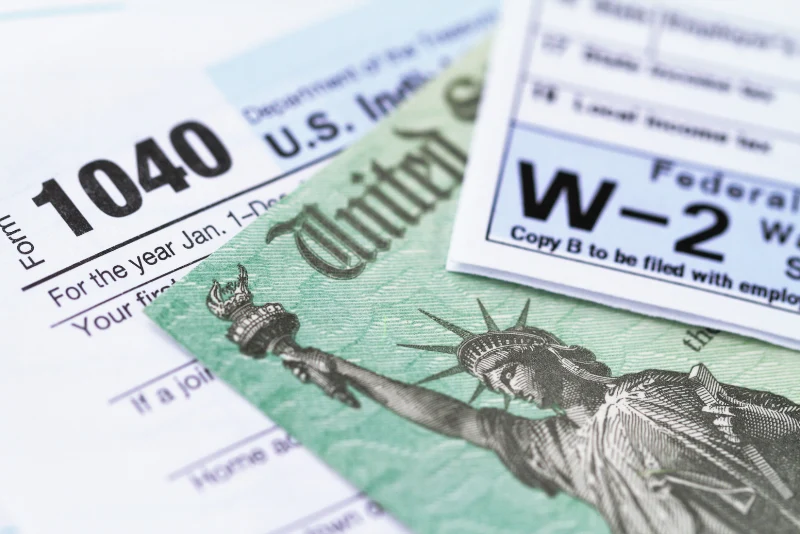
United States: File Form 1040 by April 15 (automatic extension to June 15 for expats). The FEIE (Form 2555) shields up to $132,900 of earned income for 2026. FBAR (FinCEN Form 114) applies once combined foreign accounts exceed $10,000, and FATCA (Form 8938) applies above higher thresholds.
Day-to-Day Realities of Living in Cambodia
Several features of expat life in Cambodia carry direct tax and compliance consequences.
A Large NGO and Aid-Sector Population
Phnom Penh hosts a substantial community of American NGO staff, diplomats, and aid workers, often under distinct visa and tax arrangements tied to their specific agreements, a distinct enough population to warrant its own guide, see our NGO & Aid Sector Workers page.
Remote Work Enforcement Has Tightened
Cambodia has no dedicated digital nomad visa, and 2026 rules clearly treat self-employed foreigners physically working in the country, including remote freelancers invoicing overseas clients, as needing a work permit, a real shift from the looser interpretation common a few years ago.
Land Ownership Is Off Limits
Foreigners cannot own land in Cambodia under any circumstance. Condominium units above the ground floor, capped at 70% foreign ownership per building under strata title, are the primary legal path to real property.
FAQ: US Expat Taxes in Cambodia 2026
Q: Is Cambodia tax-free for foreign income? A: Only if you don't establish Cambodian tax residency (182+ days, or principal abode there). Once you're a resident, worldwide income is taxable locally, and your US filing obligation applies regardless either way.
Q: Can I still do the old visa-run-and-freelance thing? A: Increasingly risky. 2026 enforcement clearly treats self-employed foreigners working in Cambodia as needing a work permit, regardless of where their clients are based.
Q: Can I own property in Cambodia? A: Not land, but condo units above the ground floor via strata title, capped at 70% foreign ownership per building.
Q: What's the FBAR threshold? A: $10,000 aggregate across all foreign financial accounts at any point in the year, standard across every country in our coverage.
For more detail, see our guides on FEIE for Cambodia Expats, Digital Nomad & Remote Worker Status, and the 2026 Expat Checklist.