
The Issue That Makes the Philippines Different
Nowhere else in our country coverage does this issue loom as large: a substantial share of Americans living in the Philippines are Filipino-American dual citizens, naturalized US citizens who retained or reacquired Filipino citizenship, or their children born with both nationalities. Many genuinely don't realize that holding a Philippine passport alongside a US one changes nothing about their US filing obligation.

Citizenship-Based Taxation Doesn't Care About Your Second Passport
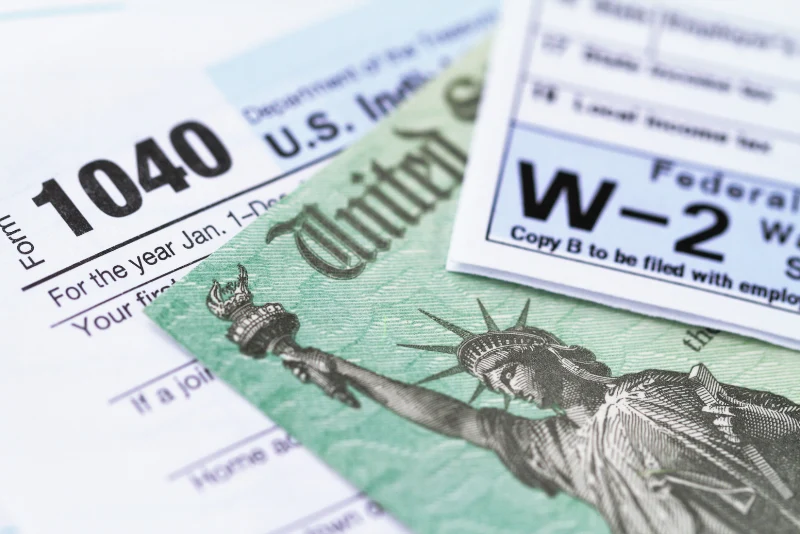
The US is one of the only countries that taxes citizens on worldwide income regardless of residence. A dual citizen born in the US to Filipino parents, or a naturalized American who later reacquired Filipino citizenship under the Citizenship Retention and Re-acquisition Act of 2003, remains a US citizen for tax purposes and owes the same Form 1040 filing obligation as anyone else, this doesn't fade with time or distance from the US.
The Balikbayan Program and Its Tax Irrelevance
The Balikbayan privilege lets former Filipino citizens (and their families) stay in the Philippines up to one year visa-free. It's an immigration convenience, not a tax status, it has no bearing on either your US filing obligation or your Philippine tax residency classification, which is determined separately under BIR rules based on physical presence and intent.
The Common "I Didn't Know" Scenario
A recurring pattern: someone born in the US, raised partly in the Philippines, who has lived there for a decade or more assuming their Filipino side of life was tax-irrelevant to America. In reality, they've accumulated years of unfiled Form 1040s, unfiled FBARs on Philippine bank accounts, and potentially unreported Philippine business or property income. This is precisely the profile the Streamlined Foreign Offshore Procedures were designed for, addressing it proactively before the IRS raises it (increasingly likely given automatic financial data exchange under FATCA) is materially better than waiting.
Philippine Inheritance and Family Property
Dual citizens frequently inherit or co-own family land and property in the Philippines (land ownership by Filipino citizens is unrestricted, the foreign-ownership limits discussed in our condo ownership guide apply only to non-citizens). Inherited foreign property and any resulting rental income are still reportable on your US return, and large gifts or inheritances from foreign persons may trigger Form 3520 reporting above certain thresholds.
Worked Example: A Reacquired Citizenship Retiree
A naturalized US citizen originally from Cebu reacquires Filipino citizenship under the Citizenship Retention and Re-acquisition Act after retiring back to the Philippines. He receives US Social Security and rents out a small family property he inherited. He remains fully subject to US filing (Form 1040, reporting both Social Security and Philippine rental income on Schedule E), and if he never filed in the years since retiring, the Streamlined Foreign Offshore Procedures let him catch up on the last three years of returns and six years of FBARs without the standard failure-to-file penalty.