

The Core Filing Mechanics
Indonesia and the US both run calendar-year tax systems, simplifying reconciliation. Because a real tax treaty exists, Indonesia filing has more structure to lean on than several countries in our coverage, but the practical mechanics, forms, thresholds, deadlines, still require careful handling.
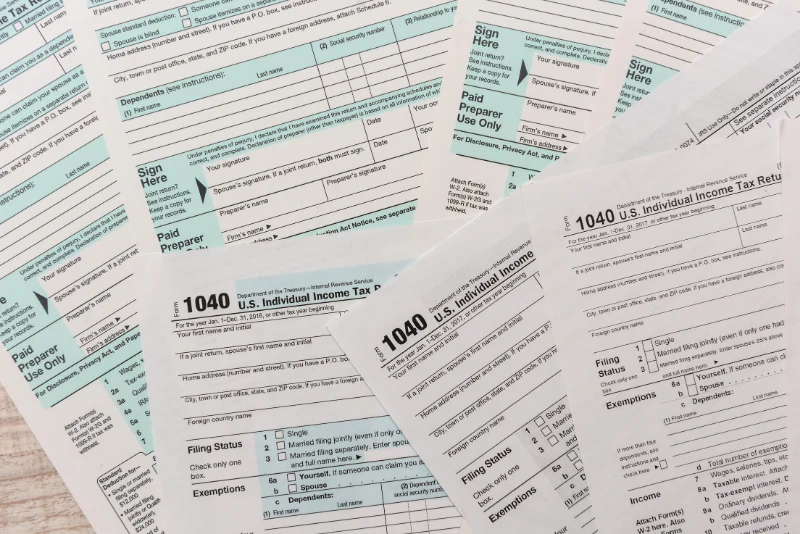
Form 1040 and the Automatic Extension
The standard deadline is April 15, with an automatic extension to June 15 for Americans abroad. Tax owed still accrues interest from April 15, so estimate and pay by then if you expect a balance due. A further extension to October 15 is available on request (Form 4868).
Form 2555: The FEIE Workhorse
Most Indonesia-based salaries fall under the FEIE cap. Form 2555 is the primary tool here, qualifying via the Physical Presence Test (330 days outside the US) or Bona Fide Residence Test (a full uninterrupted tax year).
Worked Example: A Jakarta Corporate Assignment
An American manager on a KITAS earns IDR 1.2 billion annually (about $78,000 USD) at a Jakarta-based multinational. She qualifies for the FEIE via Bona Fide Residence after her first full tax year, shielding her entire salary from US tax. Her Indonesian tax liability on this locally-sourced income is calculated separately under DJP's progressive resident rates, with the US-Indonesia treaty providing residency tie-breaker clarity if any dual-residency questions arise.
FBAR: FinCEN Form 114
Required if combined foreign account balances, Indonesian bank accounts, Second Home Visa deposits, investment accounts, exceed $10,000 USD at any point in the calendar year. Filed electronically, due April 15 with an automatic extension to October 15.
FATCA: Form 8938
A separate, higher threshold attached to your Form 1040: generally $200,000 in specified foreign assets at year-end (or $300,000 at any point) for a single filer abroad, doubled for married filing jointly.
Indonesian DJP Filing for Residents
If you're an Indonesian tax resident (183+ days present), you'll also file an annual SPT (tax return) with the DJP by March 31 following the calendar year, on worldwide income unless you qualify for the four-year foreign skill exemption, in which case only Indonesian-sourced income is reportable locally.
Streamlined Compliance for Late Filers
If you've lived in Indonesia for years without realizing you needed to file US returns, the IRS Streamlined Foreign Offshore Procedures let you catch up on the last three years of returns and six years of FBARs without standard failure-to-file penalties, provided the omission was non-willful.