
A New Visa With an Open Question for Americans
Executive Order No. 86, signed in April 2025, established the Philippines' first dedicated Digital Nomad Visa (DNV), fully operational since its June 2025 pilot phase. It's a genuine addition to the region's remote-work visa landscape, but a specific eligibility wrinkle means American applicants should verify their status before assuming they qualify.

How the DNV Works
Duration: 12 months initially, renewable for a second 12-month period, up to two years total.
Eligibility: Applicants must be 18+, demonstrate remote work exclusively for clients or employers based outside the Philippines, meet an income threshold of roughly $24,000/year, hold valid international health insurance, and pass a background check.
The reciprocity requirement: EO 86 requires applicants to come from a country that offers Filipino nationals a reciprocal digital nomad visa. As of this writing, no official list of qualifying countries has been published, and the US does not currently maintain its own dedicated digital nomad visa program, so American eligibility for the Philippine DNV is genuinely unresolved. Verify current status directly with a Philippine embassy or consulate before planning around it.

The Fallback: Tourist Visa Extensions
Americans receive a 30-day visa on arrival, extendable in-country in increments, commonly used by remote workers as a long-stay strategy well before the DNV existed. This route works but comes with periodic renewal trips or paperwork, and doesn't provide the same stability as a purpose-built long-term visa, especially relevant for anyone trying to satisfy the Bona Fide Residence Test's uninterrupted-year requirement.
Tax Treatment Either Way
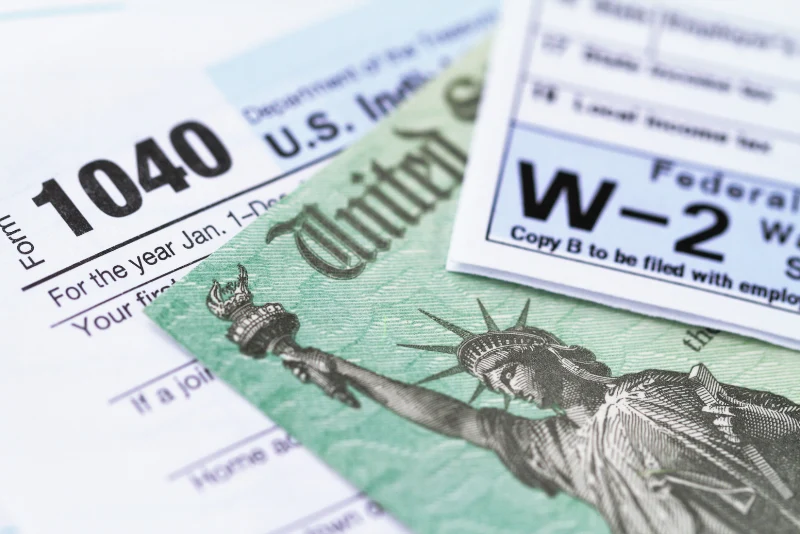
DNV holders are explicitly not considered Philippine tax residents and pay tax only at the source of their income, meaning Philippine-based BIR tax generally doesn't apply to DNV-covered foreign income. This mirrors the treatment most remote workers already get on a tourist visa extension as nonresidents. Either way, your US filing obligation is unaffected, Form 1040, the FEIE, FBAR, and FATCA all apply exactly as they would under any other visa status, once you meet the qualifying tests.
What Doesn't Qualify Toward the FEIE
Whether you're on a DNV or a tourist extension, engaging in local Philippine employment can jeopardize your visa status (the DNV explicitly bars local employment) and won't help your FEIE claim anyway, the exclusion is about your physical presence and residence facts, not your visa category. What matters for the FEIE is meeting the Physical Presence Test (330 days outside the US) or Bona Fide Residence Test (a full uninterrupted tax year), regardless of which visa track got you there.
Worked Example: A Remote Consultant on a Tourist Extension
An American consultant earning $70,000 remotely for US clients lives in the Philippines on a series of tourist visa extensions (having not yet confirmed DNV eligibility). She satisfies the Physical Presence Test by tracking her days outside the US carefully, and claims the full FEIE on her $70,000 salary regardless of her visa category. Her Philippine tax exposure is minimal as a nonresident with foreign-sourced income, the visa question affects her immigration status, not her US or Philippine tax position.